
Something I love to do is sit and listen to older people tell stories about their lives.
I am always so enriched by the wisdom and insight that come from long years of experience.
In my day, that's pretty rare, and I say it's a pity. We have failed to sit at the feet of those who have lived life before us and learned from their triumphs and their mistakes.
We have lost so much as a culture by our "innovations", especially when it comes to food.
It's time we go back into our history and rediscover food as it really should be.
One of those long-forgotten traditions has recently reclaimed its place in the spotlight — and that's bone broth.
As we get older, small daily choices compound in good ways (or bad), and if you are busy like me, you need to be reminded why it’s important to stay on track!
Here are 5 ways bone broth will keep you strong and healthy:
1. Joint Comfort & Staying Mobile
Collagen naturally declines with age. That decline affects cartilage — the cushion between joints.
When you simmer chicken backs low and slow, they release:
- Collagen
- Gelatin
- Amino acids like glycine and proline
These are structural components your body uses to support connective tissue.
For many older adults, regularly including collagen-rich foods can support flexibility and joint comfort — especially if stiffness is becoming more noticeable.
2. Gentle Protein for Maintaining Strength
After age 50, muscle loss accelerates. Even active adults can slowly lose strength.
Bone broth offers:
- Light, easy-to-digest protein
- A nourishing option when appetite is smaller
- Support for tissue repair
It’s not a replacement for a good steak or roast chicken — but it’s simple to add to your diet and supplement your protein intake.
Hint: Never use water in soups or other dishes—use broth instead!
3. Digestive Support
Digestion often slows with age. Lower stomach acid, reduced enzymes, and food sensitivities become more common.
The gelatin in properly made broth may:
- Support the gut lining
- Aid nutrient absorption
- Be soothing for sensitive stomachs
Warm broth is often far easier on digestion than processed or cold foods.
4. Trace Minerals for Bone Health
As bones naturally thin with age, mineral intake matters.
Slow-simmered broth contains small amounts of:
- Calcium
- Magnesium
- Phosphorus
- Potassium
It isn’t a miracle cure.
But as part of a whole-food diet, it contributes to overall nourishment.
5. Supporting Skin & Connective Tissue
Collagen doesn’t just affect joints. It also supports:
- Skin elasticity
- Tendons and ligaments
- Overall tissue resilience
Aging gracefully isn’t about chasing youth.
It’s about stewarding the body we’ve been given.
What About Grocery Store Bone Broth?
If you’re buying bone broth from a grocery store, be aware that companies can label their broth as “bone broth” as long as they used bones in its preparation, even if the broth and bones only cooked together for a few minutes.
A high-quality bone broth should be cooked with bones for at least 24 hours.
So, how can you determine if you’re buying high-quality bone broth?
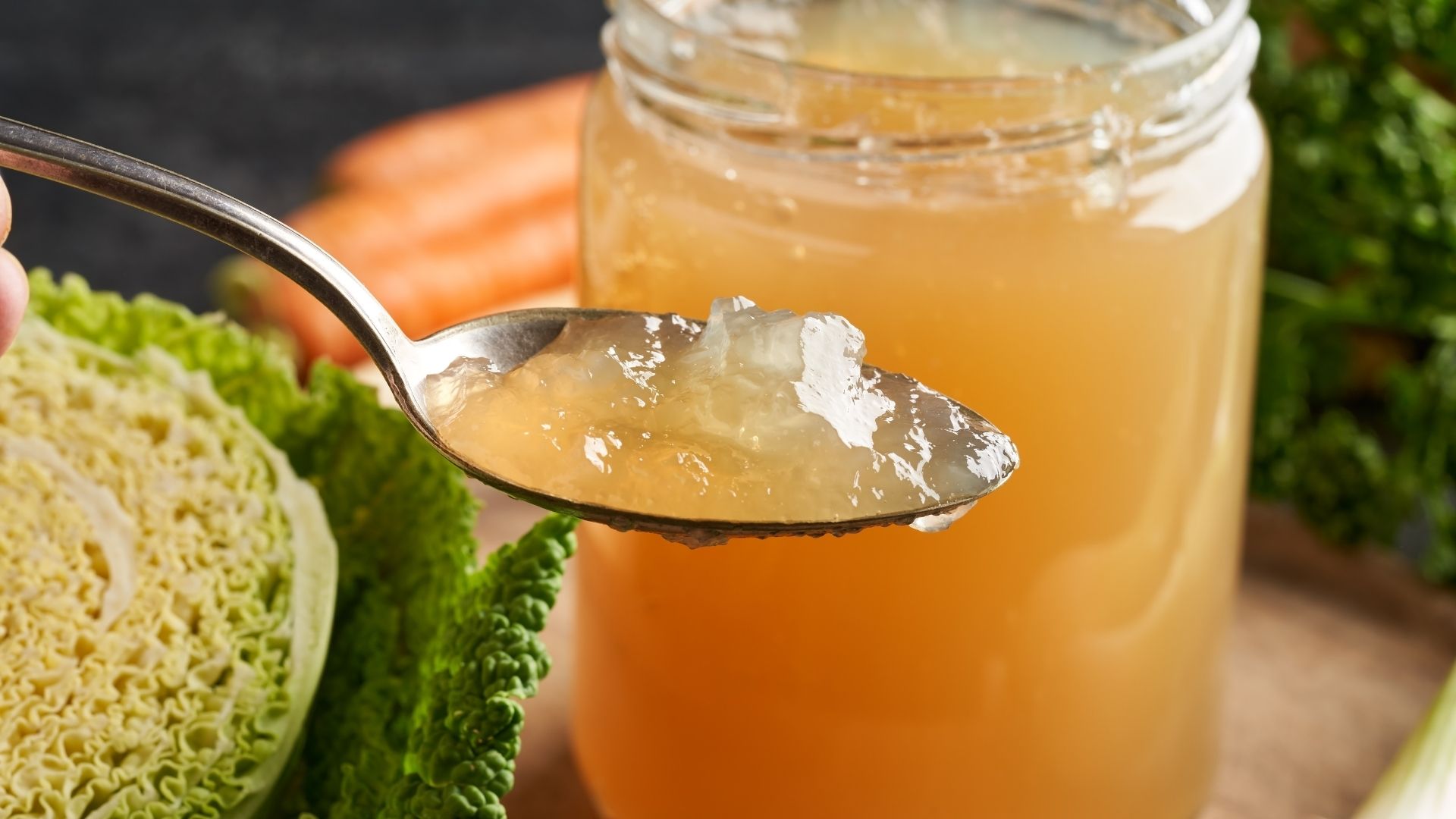
When refrigerated, it should have a gel-like texture. This indicates the presence of collagen, amino acids, and other nutrients in the broth.
Why You Should Make Your Own Broth
Dr. Cate Shanahan, author of “Deep Nutrition,” says it this way:
“Bone broth is traditional food medicine. It’s what our ancestors used to extract every possible nutrient from an animal, honoring the whole creature and nourishing multiple generations from a single source.”
And if you’re going to make broth, chicken backs are one of the most practical and affordable ways to do it.
They contain:
- A high ratio of bone to meat
- Natural collagen
- Enough connective tissue to create a rich, gelatinous broth
They simmer beautifully, making an amazingly flavorful broth.
Here's my advice: Make sure you have a good stock of it!
If you don't have good quality chicken bones, get yours HERE! 👉

0 Comments